Strategy Meetings, Workshops and Conferences

Facilitation

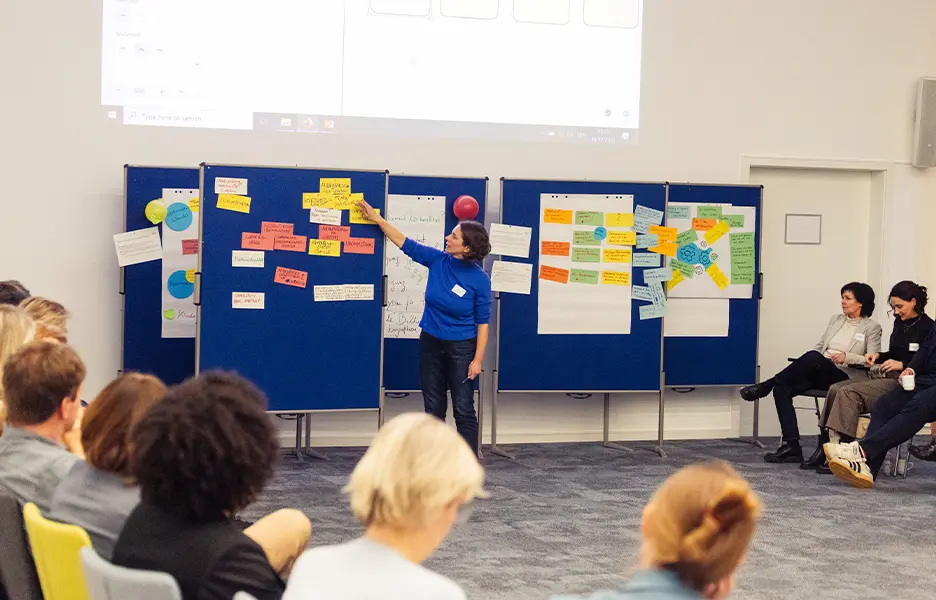
Bärbel Becker moderiert einen Leadership Workshop in Berlin

Good facilitation creates a space where people with different perspectives can think together, build understanding and discover new possibilities.

It helps groups find clarity, make sound decisions and agree on next steps they are willing to support.

This work is particularly valuable when...

  • a strategy, vision or shared direction needs to be developed.

  • different perspectives, interests or stakeholder groups need to be involved.

  • conversations need to lead to decisions and action.

Ways of Working

Strategy Meetings & Offsites
Creating space to step back, clarify priorities and decide what matters most.

Workshops & Collaborative Processes
Bringing together different perspectives, deepening understanding and developing solutions together.

Conferences & Multi-Stakeholder Gatherings
Designing and facilitating events that encourage participation, dialogue and collaboration across sectors and communities.

What It Makes Possible

  • Greater understanding across different perspectives

  • Shared direction, even when interests and viewpoints differ

  • Decisions and agreements that people support

  • Clear next steps and concrete action

Example Project
Berlin Civic Engagement Conference

I facilitated a two-day conference with around 180 participants from civil society, public administration, politics and the private sector.

The conference brought together people from different sectors to exchange ideas, learn from one another and explore opportunities for future collaboration. Insights from workshops, discussions and participatory formats were gathered and used as a foundation for continued work beyond the conference itself.

“Bärbel understood what really mattered to us. The conference was not only meant to create opportunities for exchange but to generate momentum for our shared work in the year ahead. Three thematic forums with a clear roadmap for continued collaboration emerged from the workshops.”

How I Work

As a facilitator, I create the conditions for groups to work on their questions, challenges and opportunities together.

I build on the knowledge, experience and perspectives already present in the room. My aim is not simply to help people exchange views, but to support genuine dialogue. Different perspectives and group dynamics become visible and can be explored together.

Depending on the situation, I draw on dialogic, creative and experiential approaches that help people see their challenges from new angles and work together more effectively. I take responsibility for the process, while responsibility for decisions and outcomes remains with the participants.
Trusted by organizations
I have supported

Logo der Deutschen Kinder- und Jugendstiftung GmbH Wortmarke Deutsche Kinder- und Jugendstiftung als DKJS-Logo.
DIPF | Leibniz-Institut für Bildungsforschung und Bildungsinformation, Standort Berlin Wort-Bild-Marke des DIPF mit stilisiertem Kreis aus drei Segmenten und Schriftzug.
Artha Consulting Network Logo Logo von Artha Consulting Network mit ikonischem Symbol links und Wortmarke rechts.
UNIQA Logo Wortbildmarke von UNIQA in Blau.
Save the Children e.V. Logo Logo von Save the Children e.V. mit Bildmarke links und Wortmarke rechts.
Welt:Stadt:Quartier: Institut für Bildung, Forschung und Entwicklung Logo Logo von Welt:Stadt:Quartier: Institut für Bildung, Forschung und Entwicklung mit Wortmarke und grafischen Elementen.
TMF e.V. – Technologie- und Methodenplattform für die vernetzte medizinische Forschung Logo der TMF e.V. mit blauer Bildmarke und Typografie TMF.
LNBE Landesnetzwerk Bürgerengagement Berlin e.V. Logo Logo des Landesnetzwerks Bürgerengagement Berlin e.V. mit türkisfarbener Wortmarke und grafischen Elementen.
BIG Berlin Logo Logo von BIG Berlin mit schwarzer Wortmarke und rechteckiger Rahmenform. lipPath id="a">
AWO Landesverband Berlin e.V. Logo Logo des AWO Landesverbandes Berlin e.V. mit Herzsymbol und Wortmarke.

Different perspectives become visible and are actively worked through together.

Participants actively listen to each other, complement one another, and develop new possibilities from this. This creates clarity, new connections, and concrete next steps that are carried forward beyond the format.

I design formats ranging from strategy meetings to larger conferences and networking events.

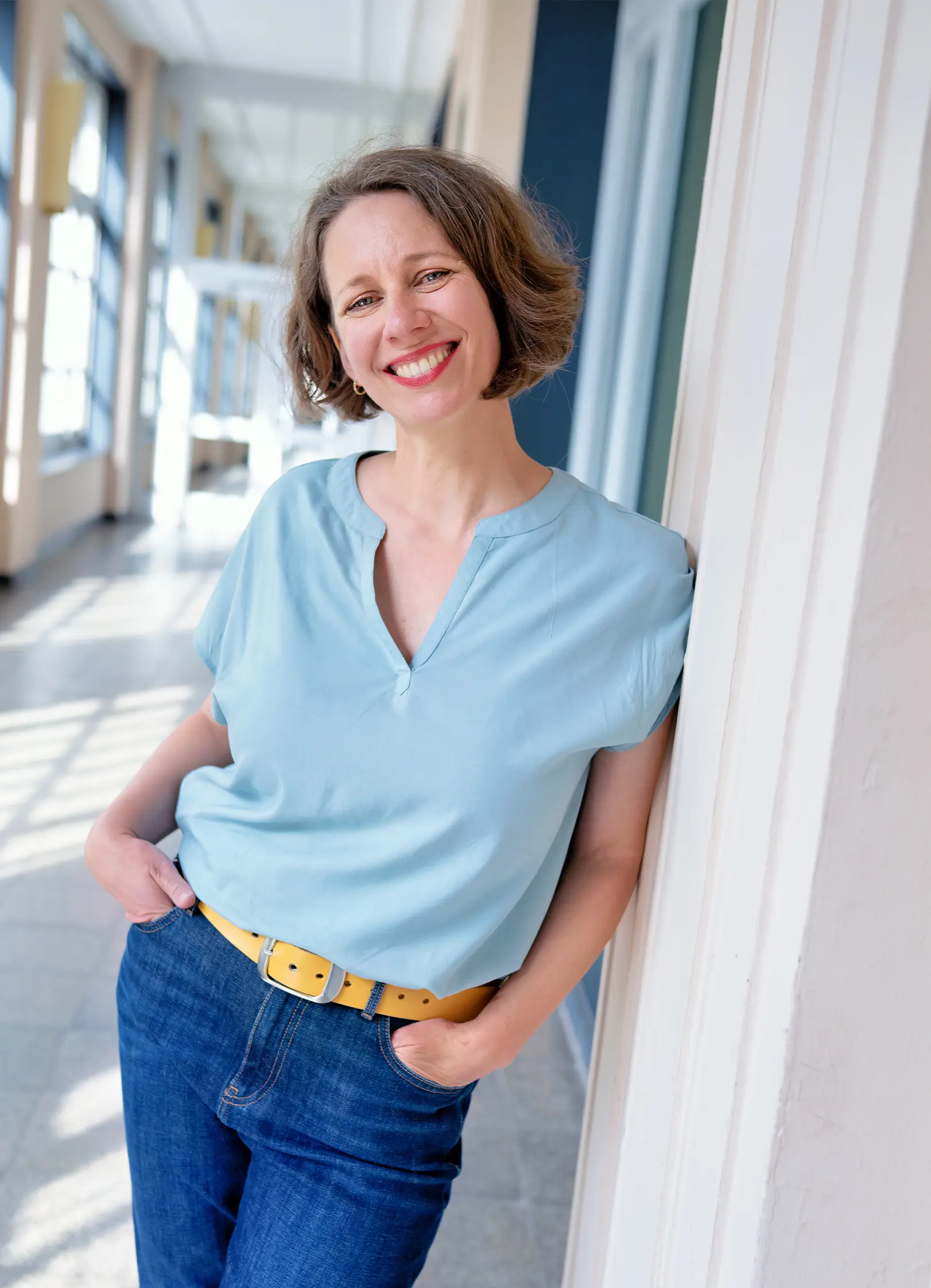
Bärbel Becker von Good Change lehnt entspannt an einer Wand in einem hellen Flur

Your Facilitator
Bärbel Becker

For many years, I have been supporting individuals, teams, and organizations through change processes.

My work combines clarity with experience and incorporates perception, body, and voice. This allows for new shared understanding and genuine collaboration to emerge within teams.

For individuals, it opens up a space to gain clarity and reconnect with what is truly important.

I enjoy working outdoors. This creates a different form of awareness and movement, where new possibilities become more easily visible.

Frequently asked questions

How do you design the right format for our event?

The process begins with a conversation about the purpose of the event, the key questions to be explored, the participants involved and the level of participation desired. The format is designed around these elements.

You receive a process tailored to your specific context, goals and audience. Methods do not come first. They are chosen to support the outcomes you want to achieve and the conversations the group needs to have.

When is external facilitation particularly valuable?

External facilitation is especially helpful when people with different perspectives need to come together to make decisions, develop strategy, gain clarity or identify next steps.

This may include strategy retreats, leadership offsites, team workshops, conferences or stakeholder engagement processes. Facilitation becomes particularly valuable when participation matters and ownership of outcomes should be shared across the group.

How do you ensure that different voices are heard?

Depending on the group and the purpose of the event, I use a range of facilitation formats that encourage broad participation. Small-group conversations and partner dialogues often help people develop and share their thinking before bringing it into the larger group.

I pay particular attention to creating an environment where people can contribute in different ways and at their own pace. Clear structures, thoughtful facilitation and a variety of participation formats help make a wider range of perspectives visible.

This allows more people to engage in the conversation and strengthens shared ownership of the outcomes.

How do you support decision-making when perspectives differ?

Decisions become more sustainable when different perspectives are heard and genuinely understood. This often changes how people see a situation and opens up new possibilities.

My role is to create a process that helps groups explore different viewpoints, identify what matters most and move towards decisions that people can support.

The goal is not necessarily agreement on everything. It is to develop a shared understanding and identify a way forward that the group can commit to.

How do you handle tensions and unexpected dynamics?

Good facilitation follows a clear structure while remaining responsive to what is happening in the room. Unexpected questions, tensions or differing viewpoints are often part of the process and can provide valuable information.

Rather than avoiding these moments, I help groups work with them constructively while keeping attention on the purpose of the meeting and the outcomes they want to achieve.

My role is to create enough flexibility for important issues to be addressed without losing focus or momentum.

Make space for clarity

If reading this brought a person, a team or an organization to mind, I would be glad to hear from you. Together, we can explore your situation and what the next meaningful step might be.